


Muddy Yards, Standing Water, and Dead Grass: What Kamloops Winters Reveal About Your Landscape
January 14th 2026
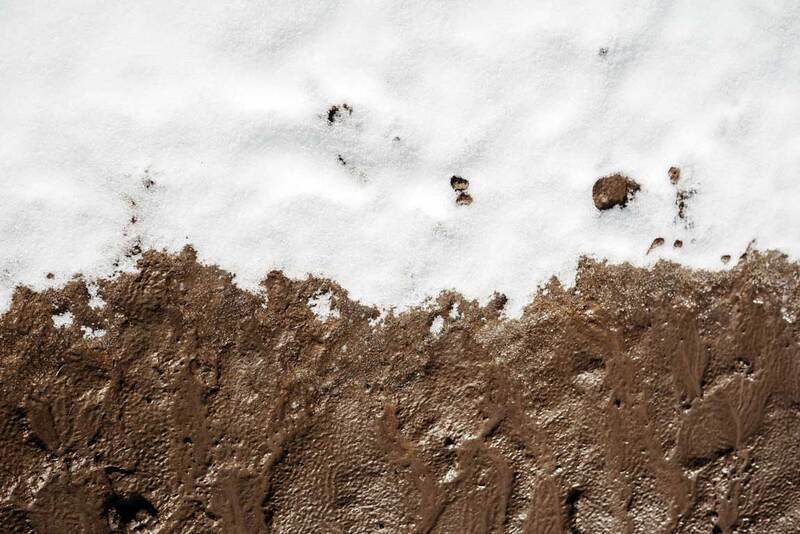
Winter Is Telling You Something
If your yard looks like a mess right now, you’re not alone. Kamloops winters don’t always bring the kind of steady snow that keeps everything “tidy.” We get rain, melt, refreeze, and long stretches where the ground stays saturated. Suddenly the lawn feels spongy, muddy spots appear where nobody wants them, and grass that looked fine in the fall seems thin, yellow, or lifeless.
It’s frustrating, but it’s also useful.
Winter is when your landscape stops pretending. It shows you where water goes, where it gets stuck, and where the lawn can’t handle stress. What you’re seeing isn’t random damage; it’s how your yard behaves under real pressure.
Don’t just look out the window at the mud. Look out for what your landscape is trying to tell you.
Why Winter Exposes Landscape Problems Better Than Any Other Season
In summer, a lot of issues stay hidden. Irrigation is controlled. Turf is growing and can cover up weak spots. Dry soil holds its shape and makes everything look stable.
Winter is different. When the ground is wet and growth slows down, the “true pattern” shows up. Water takes the path of least resistance. Low areas become obvious. Compaction shows itself as puddling and mud. And freeze–thaw cycles amplify trouble by stressing soil and turf that are already struggling.
That’s why winter can be the best time to diagnose problems. It’s not the season to fix everything immediately—but it’s the season that tells you what actually needs fixing.
Muddy Yards Aren’t Just Messy — They’re a Warning Sign
A muddy lawn is usually a drainage and soil issue, not a “bad weather” issue.
Many yards in the Kamloops area deal with heavier soils that don’t drain quickly—especially when they’ve been compacted over time. Compaction is sneaky: it builds up from everyday use. Walking paths, pets, kids playing, wheelbarrows, mowing patterns—eventually the soil loses the air pockets that let water move through it.
Once that happens, moisture sits near the surface. The yard stays soft. Foot traffic creates ruts. And every winter it gets a little worse.
If the mud shows up in the same places every year, that’s a clue the solution is below the surface, not on top of it.
Standing Water: What Pooling Tells You About Grading and Drainage
Puddles happen. But the timeline matters.
If water collects after a storm and disappears quickly, that’s usually normal. If it sits for days—or keeps returning in the same spots—you’re likely looking at a grading or drainage issue. The yard might have settled over time, or it might not have a clean route for water to move away from the lawn and structures.
Pooling near patios, walkways, or foundations deserves extra attention. Beyond turf damage, persistent moisture can lead to more compaction, slippery/icy conditions, and long-term stress on the areas around your home.
The earlier you understand what’s happening, the easier it is to fix the cause before it turns into a bigger repair.
Dead or Thinning Grass in Winter Isn’t Always “Winter Kill”
Grass doesn’t look its best in winter, so it’s easy to assume it’s just the cold. But a lot of “winter kill” is really “winter stress.”
When soil stays saturated, roots can struggle to get oxygen. Compacted areas make that worse. Ice crusts can seal the surface and trap moisture below. Over time, turf weakens—not because it’s cold, but because it can’t breathe.
That’s why thin or dead-looking patches often show up in the same places: low spots, compacted traffic areas, and sections that hold water. When we say it’s time to look out for your lawn, we’re talking about catching those patterns now—before spring growth reveals the consequences.
The Mistake Most Homeowners Make: Waiting Until Spring
Most people wait for spring because that’s when the yard “wakes up.” The problem is, spring is also when schedules fill up fast and quick fixes become tempting.
When you’re trying to repair a lawn while it’s actively growing, it’s easy to focus on the surface—seed, soil, patching—without solving the reason the grass failed in the first place. If the underlying issue is drainage, grading, or compaction, the same area often struggles again next winter.
Winter gives you a quieter window to understand what’s going on and plan a proper fix—so spring is smoother, not stressful.
What You Can Do Right Now
Think of January as your yard’s report card.
Pay attention to where water collects and how it moves across the property. Notice which areas stay muddy the longest, and where grass looks weakest. If you can, reduce foot traffic in the worst spots to avoid compressing the soil further.
You don’t need to start a major project right now. But you can start tracking the trouble areas so spring work is targeted and effective—not guesswork.
How Professional Landscapers Use Winter to Plan Better Results
Winter assessments are valuable because problems are visible. When conditions are wet, the landscape shows exactly where drainage fails and where grading isn’t doing its job.
A professional can look at how water moves, how soil behaves, and what practical solutions fit the site—whether that’s regrading, adding drainage, improving soil structure, or adjusting runoff routes. Planning early also helps with timing and budget, because you’re building a plan before peak season pressure hits.
Look out for the patterns; they’re the blueprint for better results.
Winter Mess, Spring Advantage
A messy winter yard doesn’t mean you’ve done something wrong. It means your landscape is being tested—and it’s showing you where it needs support.
If you use what you’re seeing now to plan, spring becomes an opportunity instead of a scramble. Healthier turf, fewer muddy surprises, and fixes that actually stick—because they address the cause, not just the symptom.
Your yard is giving you answers in January. The best move is to listen.
Don't Let Spring Turn Into a Scramble
Winter gives you the information, but spring is where decisions shape the outcome. As temperatures begin to rise and the ground starts to release, knowing what to prioritize and what to leave alone becomes just as important as spotting the problems in the first place. In our follow-up article on planning your landscape the right way this spring in Kamloops, we explain how to turn winter clues into smart, well-timed improvements.
Talk to Us About Drainage and Lawn Repair in Kamloops
If your yard turns muddy every winter, holds water for days, or keeps losing turf in the same spots, it’s usually a sign of an underlying drainage, grading, or soil issue. The sooner you identify the pattern, the easier it is to plan a fix that lasts.
Contact Look Out Landscaping to book an assessment and plan the right spring improvements for your property.